
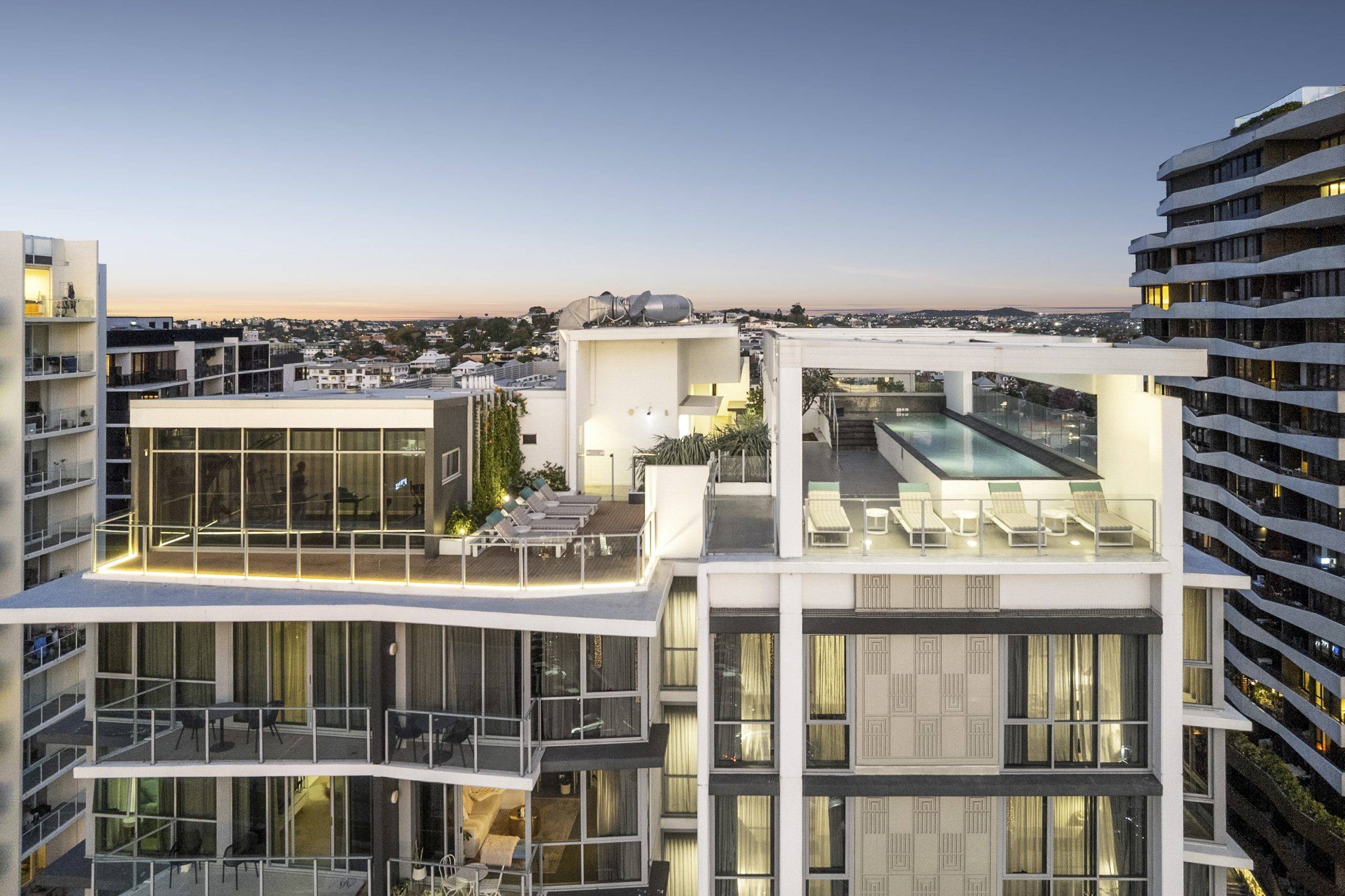
Belmo Group ushers in a new era with the launch of Chester Hotel
One of Brisbane's best-known boutique properties has relaunched as Chester Hotel under Belmo Group management.
A direct return rate close to 60% is rare. At Tingirana in Noosa, it’s the quiet result of an operating approach built on memory, consistency and care.
With the major platforms spending heavily to own the repeat customer, a high direct return rate is difficult to build and harder to sustain. So, when Tingirana (our 36-apartment beachfront property in the heart of Noosa) records a direct return rate close to 60%, the number is worth understanding.
We put the question to Hotel Manager Mark Greenan. His answer wasn’t the view, though Tingirana holds one of the most photographed positions on Hastings Street. It was something quieter, and harder to copy: reliability built on memory.
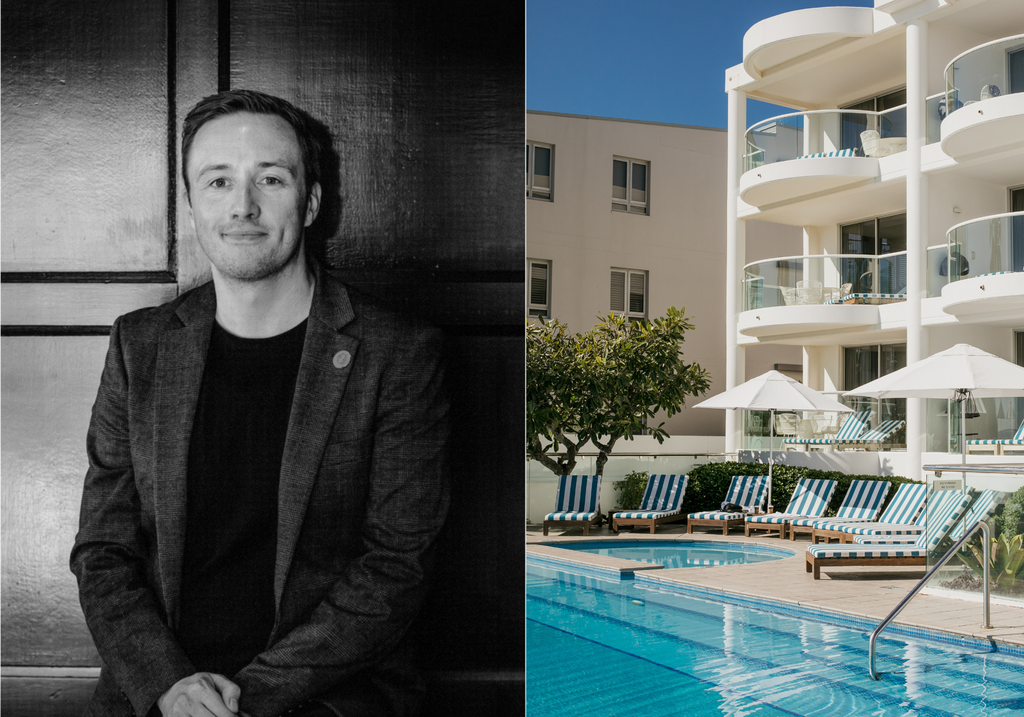
The mechanics are deceptively simple. The team doesn’t wait for a returning guest to get in touch, they close the loop at checkout, while the guest is still reluctant to leave.
“We catch guests at checkout and ask if they want the same week again next year. Same room, same configuration of beds. We save every preference, so when they arrive, everything is exactly where they left it.”
That removal of friction is, in Mark’s view, the whole game. The guests who return year after year aren’t chasing a discount, they’re buying the absence of effort. The certainty that they won’t have to pick up a phone, re-explain themselves, or hope the room is set up the way they like it.
“People stay with us for so long because it’s easy for them. They don’t have to make a call. At checkout it’s: see you next year, and we send the confirmation.”
Tingirana has operated for just over two decades, through successive refurbishments and several eras of management. That longevity matters, because the property now welcomes guests who first stayed when it was new, and who return expecting it to have aged.
It hasn’t. Mark describes long-absent guests arriving struck that the property looks as though it was refurbished yesterday. For a returning guest, that consistency is reassurance: the place they remember is the place they walk back into.
The distinction Mark draws is between being recognised and being remembered. Recognition is a friendly face at the desk. Being remembered is the team knowing your room preferences, your routine, and the details you mentioned once in passing and never expected anyone to keep.
Some of that is process with meticulous guest notes that carry every detail across stays. Much of it is culture. A returning guest is met by people who genuinely catch up: on the children, on the year that’s passed, on whatever brought them back this time. After twenty years, for many families, the team has become part of the holiday.
No property runs flawlessly, and Tingirana is candid about it. What sets the response apart is the refusal to hide. When a lift fails and the hot water drops at the same time (problems, Mark notes, like to arrive in threes), the instinct isn’t to deflect onto a contractor or pretend nothing happened.
“You can be as transparent and honest as you like, because that’s what they understand. You pick up the phone, have a laugh, and bring them into the solution. They’ve waited all year for this holiday… the least we can do is call.”
Because roughly six in ten guests have met the team before, they already know how Tingirana handles itself. Drop the personal touch in a difficult moment, Mark argues, and years of trust can unravel in a single interaction. Honesty, delivered early and in person, protects the relationship rather than the booking.
If reliability is what brings a guest back, it’s the small, unbidden gestures that turn a first-time visitor into a lifelong one. The guest journey at Tingirana has moments of surprise built in; a departure gift, a welcome that lands before it’s expected.
Mark recalls a guest who mentioned, almost in passing, that it was his birthday, a detail dropped mid-conversation and probably forgotten by the guest himself. By the time he returned to his room, a gift to recognise this occasion welcomed him. He never knew the team had simply been listening.
It’s the part of the work the team loves most. And the standard now sets itself: newer staff have watched these gestures happen and started inventing their own, given the freedom and a budget to delight guests however feels right. That instinct – to notice, remember, and act – is the engine quietly powering the return rate.
Across the Belmo group, our teams operate to what we call DOPs: Dynamic Operating Procedures, deliberately not SOPs. There is nothing standard about a guest, nor should there be. A stay, and a return is a moving target – needs shift, preferences change, and the details that matter this year, aren’t the ones that mattered last year. DOPs train the instinct to notice and act, then give every property the room to deliver service that’s bespoke, elevated, and consistent, right across the group.
A direct return rate close to 60% isn’t the product of a loyalty scheme or a clever rate strategy. It’s the compounding result of a property that doesn’t age, a team that remembers, and a guest experience engineered to remove every reason to go elsewhere. The location brings people through the door. Everything after that is why they keep coming back.

© Belmo Group, All Rights Reserved
Privacy Policy | Terms & Conditions | Made by Marx
